Quick Ans: Insecure means lacking confidence, feeling uncertain about yourself, or feeling unsafe in a situation. It can describe a person’s emotions, relationships, appearance, abilities, or even places and systems that are not safe or protected.
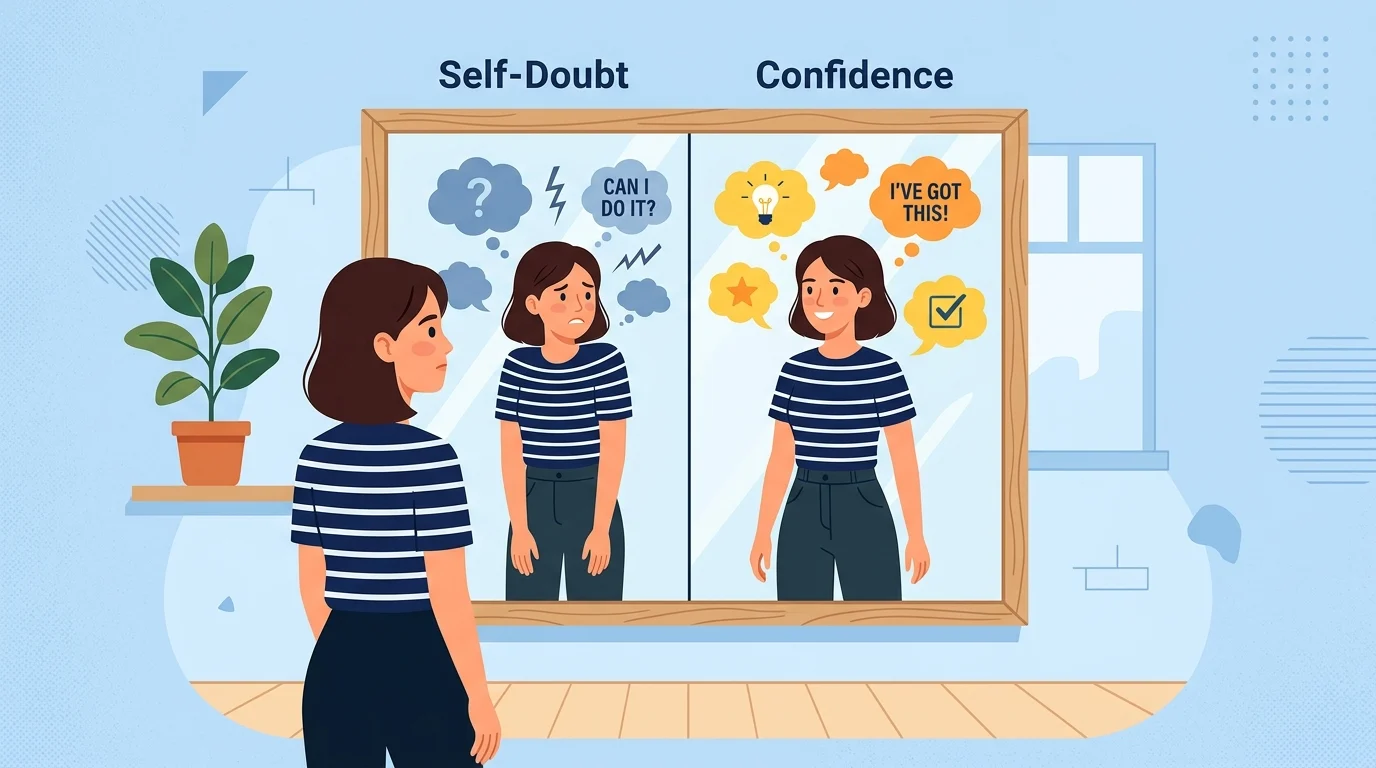
The word insecure is commonly used in everyday conversations, social media, psychology, and relationships. Someone might say, “I’m feeling insecure,” or “He’s insecure about his job.” In each case, the word describes a feeling of self-doubt, uncertainty, or lack of confidence.
Understanding the meaning of insecure helps you communicate more clearly and recognize the emotions behind the word. In this guide, you’ll learn its definition, common uses, examples, alternative meanings, and tips for using it correctly.
Quick Answer Box
| Topic | Answer |
|---|---|
| Meaning | Lacking confidence, certainty, or security |
| Part of Speech | Adjective |
| Common Contexts | Relationships, self-esteem, work, school, appearance |
| Tone | Neutral to negative |
| Opposite | Secure, confident, self-assured |
| Example | “She feels insecure about speaking in public.” |
What Does Insecure Mean?
The word insecure describes someone or something that is not confident, not safe, or uncertain.
Depending on the context, insecure can refer to:
- Low self-confidence
- Fear of rejection
- Feeling anxious
- Lack of emotional security
- Physical or digital insecurity
- Uncertainty about abilities
Dictionary Definition
Insecure (adjective):
- Not confident or assured.
- Not adequately protected.
- Uncertain or unstable.
Full Definition
The meaning of insecure changes slightly depending on the situation.
Emotional Meaning
Emotionally, insecure means feeling unsure of yourself.
Examples include:
- Doubting your abilities
- Feeling unattractive
- Worrying about what others think
- Constantly comparing yourself with others
Example:
“I’m insecure about my presentation tomorrow.”
Relationship Meaning
In relationships, being insecure often means fearing rejection, abandonment, or betrayal.
Someone may:
- Need constant reassurance
- Become jealous easily
- Overthink messages
- Fear losing their partner
Example:
“He became insecure when she didn’t reply for several hours.”
Physical Security Meaning
Insecure can also describe something that isn’t safe.
Examples:
- An insecure building
- An insecure door lock
- An insecure neighborhood
Sentence:
“The old fence made the property insecure.”
Technology Meaning
In technology, insecure means lacking proper protection.
Examples include:
- Insecure password
- Insecure website
- Insecure Wi-Fi connection
- Insecure network
Example:
“Never enter your password on an insecure website.”
Context and Usage
The word insecure appears in many different situations.
Personal Confidence
People often use it when talking about self-esteem.
Example:
“I’ve always been insecure about my height.”
School
Students may feel insecure about:
- Grades
- Public speaking
- Making friends
- Sports
Example:
“She felt insecure during her first week at college.”
Workplace
Employees can feel insecure about:
- Promotions
- Performance
- Job stability
- Skills
Example:
“Many workers felt insecure after the company announced layoffs.”
Friendships
Someone might feel insecure if they think friends are excluding them.
Example:
“I started feeling insecure when nobody invited me.”
Real-Life Conversation Examples
Example 1
Alex: Why are you so quiet today?
Jordan: I’m feeling insecure about my interview tomorrow.
Example 2
Emma: You look great!
Sophia: Thanks, but I’ve always been insecure about my smile.
Example 3
Chris: Why did you keep checking your phone?
Taylor: I guess I’m just insecure because they haven’t replied yet.
Example 4
Teacher: Would you like to present first?
Student: I’d rather wait. I’m a little insecure about public speaking.
Example 5
Friend 1: Why don’t you post your artwork?
Friend 2: I’m insecure that people won’t like it.
Platform-Specific Usage
Social Media
On platforms like Instagram and TikTok, people often use insecure to describe low confidence.
Example:
“I’m insecure without makeup.”
Text Messages
Someone may text:
- “I’m feeling insecure today.”
- “Sorry, I’m just insecure.”
These messages usually express vulnerability rather than anger.
Workplace Chats
Example:
“I’m a little insecure about leading this meeting.”
This means the speaker lacks confidence.
Online Gaming
Players sometimes say:
“He’s insecure because he can’t handle losing.”
Here, the word may describe someone reacting defensively.
Common Signs of Insecurity
Someone who feels insecure may:
- Constantly seek approval
- Compare themselves with others
- Fear criticism
- Avoid challenges
- Overthink conversations
- Apologize excessively
- Struggle to accept compliments
Not everyone experiences all of these signs, and feeling insecure occasionally is a normal part of life.
Common Causes of Insecurity
People may become insecure because of:
Childhood Experiences
Negative criticism or lack of encouragement can affect confidence.
Social Comparison
Comparing yourself to others online or in real life.
Past Failures
Previous disappointments may create self-doubt.
Relationship Problems
Trust issues or betrayal can lead to insecurity.
Unrealistic Expectations
Trying to meet impossible standards often causes feelings of inadequacy.
Alternative Meanings of Insecure
While emotional insecurity is the most common meaning, the word has several other uses.
Financial Insecurity
Not having enough money or stable income.
Example:
“The family experienced financial insecurity.”
Food Insecurity
Not having reliable access to enough nutritious food.
Example:
“Many communities struggle with food insecurity.”
Job Insecurity
Fear of losing employment.
Example:
“Automation has increased job insecurity in some industries.”
Cybersecurity
An insecure system lacks proper digital protection.
Example:
“Using weak passwords creates an insecure account.”
Related Words and Synonyms
Depending on the context, similar words include:
- Uncertain
- Nervous
- Self-conscious
- Hesitant
- Doubtful
- Vulnerable
- Timid
- Uneasy
- Unsure
- Anxious
Opposite of Insecure
Common antonyms include:
- Secure
- Confident
- Self-assured
- Certain
- Comfortable
- Stable
- Fearless (in some contexts)
Example:
“She used to feel insecure, but now she’s much more confident.”
How to Respond When Someone Says They’re Insecure
If someone opens up about feeling insecure, responding with empathy can help.
Good responses include:
- “I’m here for you.”
- “Everyone feels that way sometimes.”
- “You’re doing better than you think.”
- “Thanks for sharing how you feel.”
- “What can I do to help?”
Avoid dismissive responses like:
- “Just get over it.”
- “You’re overreacting.”
Misinterpretations
Many people assume an insecure person is simply shy.
However, insecurity is different.
A person can:
- Be outgoing but insecure.
- Be successful but insecure.
- Be confident in one area and insecure in another.
For example, someone may be confident at work but insecure about relationships.
When Not to Use the Word
Avoid calling someone “insecure” as an insult.
Instead of saying:
“You’re so insecure.”
Consider saying:
“It seems like you’re feeling uncertain.”
This sounds more respectful and less judgmental.
Usage Tips
To use the word correctly:
- Match it to the context.
- Distinguish emotional insecurity from physical insecurity.
- Avoid making assumptions about others.
- Remember that temporary insecurity is a normal human experience.
Frequently Asked Questions
1. What does insecure mean?
It means lacking confidence, certainty, or security.
2. Is feeling insecure normal?
Yes. Most people experience insecurity at some point in life.
3. Is insecure always negative?
Not necessarily. Recognizing insecurity can be the first step toward personal growth.
4. What is an insecure person?
Someone who often doubts themselves or fears rejection, criticism, or failure.
5. What causes insecurity?
Common causes include past experiences, social comparison, criticism, relationship issues, and low self-esteem.
6. What’s the opposite of insecure?
Secure, confident, and self-assured.
7. Can someone be insecure in only one area?
Yes. A person may be confident professionally but insecure socially or emotionally.
8. Does insecure mean jealous?
No. Jealousy can result from insecurity, but the two words do not mean the same thing.
9. Can insecure describe things?
Yes. It can describe unsafe buildings, weak passwords, unstable jobs, or unprotected systems.
10. How do you use insecure in a sentence?
Example: “Although he appeared confident, he felt insecure about starting a new job.”
Conclusion
The meaning of insecure goes beyond simply lacking confidence. It can describe emotional self-doubt, uncertainty in relationships, concerns about appearance or abilities, and even situations involving physical, financial, or digital safety. Understanding the different meanings and contexts of the word helps you communicate more accurately and recognize what someone may be experiencing when they say they feel insecure.
Whether you’re reading the word online, hearing it in conversation, or using it yourself, remembering its context is the key to understanding its true meaning.

Alexander Cole is a professional content writer and researcher who specializes in creating informative, reader-friendly, and well-researched articles. He is committed to publishing accurate, valuable, and engaging content that helps readers stay informed and make smarter decisions.