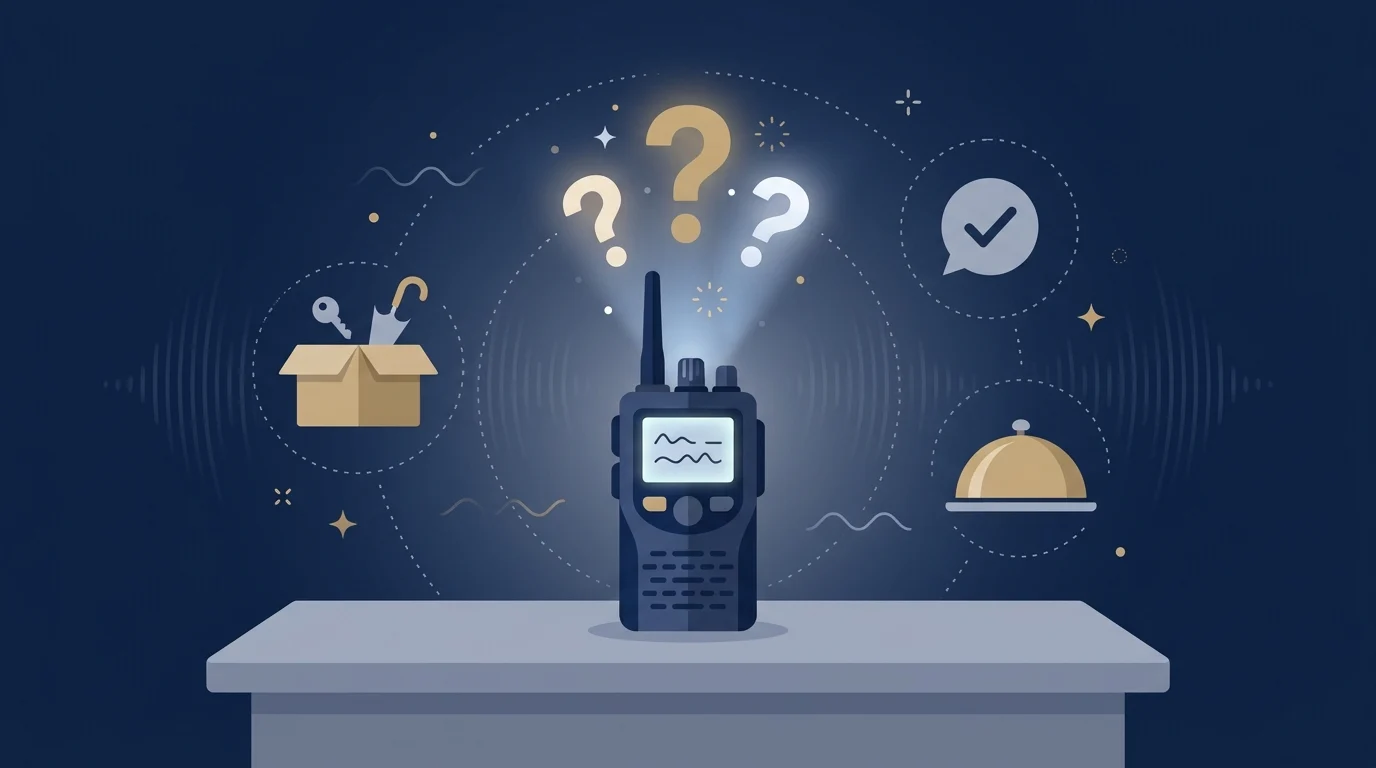
Quick Ans: In police codes, “86” does not have a single universal meaning. Its interpretation varies wildly by department and region. In some jurisdictions, it is a local call signal for “Lost Property” . In others, particularly in Indonesian police communication, it means “understood and ready to execute” . In American popular culture, “86” is most widely known as restaurant slang meaning “to remove, cancel, or refuse service” — a meaning that has occasionally bled into law enforcement contexts to describe ejecting someone from a premises .
If you have heard a police officer say “86” on a radio show, in a movie, or on a scanner app, you might assume it is a standardized code with a clear definition. The reality is far messier. Police codes in the United States are famously decentralized. There is no single national system that every department follows. A code that means one thing in Florida could mean something completely different in California, and neither may match what you heard on a television drama.
The confusion surrounding “86” is compounded by its double life. In the restaurant and bar industry, “86” has meant “we are out of it” or “throw them out” for nearly a century . That cultural familiarity has led to its informal use in law enforcement and security contexts. This guide separates the documented police code meanings from the popular slang, explains why the term is so ambiguous, and helps you understand what “86” likely means depending on where you encounter it.
The Documented Police Code Meaning: Lost Property
At least one official law enforcement source uses “86” as a formal call type. The Volusia Sheriff’s Office in Florida lists “86” under its Miscellaneous Calls with the definition “Lost Property” . This is a specific, administrative designation used by that department’s communications division.
This example illustrates the core problem with police codes. A “Code 86” or “Signal 86” in one agency may refer to a lost wallet. In another agency, the same number might not exist at all, or it might be assigned to traffic enforcement, animal control, or something else entirely. There is no cross-department standardization.
The International Meaning: “Understood” in Indonesian Police Communication
Outside the United States, “86” has a very different documented use. In Indonesian police radio communication, particularly among certain units, “86” is used as an acknowledgment signal meaning “understood and ready to carry out the order” .
For example, if a commander issues an instruction, the responding officer might say “86, Ndan, Taruna,” which translates roughly to “Understood, Commander, ready for further orders” . This usage is specific to Indonesian police culture and is not related to American police codes.
The Restaurant and Bar Origin: Why “86” Means “Remove”
The most culturally pervasive meaning of “86” comes from the food service industry. Since at least the 1930s, restaurant and soda fountain workers have used “86” to indicate that an item is out of stock or unavailable . The term evolved to also mean refusing service to a customer or ejecting someone from an establishment.
The exact origin is debated. Merriam-Webster traces the first written reference to a 1933 glossary of soda-fountain slang . Popular theories include a New York speakeasy at 86 Bedford Street, a bar code prohibiting service to intoxicated patrons, and the practice of cutting whiskey proof from 100 to 86 for unruly customers . None of these theories can be definitively proven.
This restaurant meaning occasionally overlaps with police contexts. When a bar or venue “86s” a disruptive patron, they are removing them from the premises. Law enforcement officers who work security details or respond to disturbances may use the term informally in this sense, but it is not a formal police radio code in most American departments.
Why “86” Is So Confusing: The Police Code Problem
The ambiguity of “86” stems from a broader issue with police radio codes in the United States. Unlike the standardized NATO phonetic alphabet or the Ten-Code system (which is itself inconsistently applied), local police codes are created by individual departments or regional agencies. There is no federal mandate requiring a specific code to mean a specific thing.
This means a person cannot accurately answer “what does 86 mean in police code” without specifying which department, which state, and which context. The only reliable approach is to consult the specific agency’s published signal list or ask an officer from that jurisdiction directly.
Frequently Asked Questions About “86” in Police Code
Is “86” a universal police code?
No. Police codes vary by department and jurisdiction. “86” means “Lost Property” in at least one Florida sheriff’s office , but it may have no official meaning or a completely different meaning in another agency.
What does “86” mean in police radio communication in Indonesia?
In Indonesian police communication, “86” is an acknowledgment signal meaning “understood and ready to execute” . It is used to confirm receipt of an order.
Does “86” mean “kill” in police code?
No documented police code defines “86” as “kill.” The association with killing comes from fictional portrayals and a controversial political interpretation of the term in 2025. Merriam-Webster explicitly declines to enter that sense of the word due to its rarity and recent usage . In standard slang, “86” means to remove, cancel, or refuse service, not to kill.
Why do restaurants say “86” and does that relate to police?
Restaurants use “86” to mean an item is out of stock or a person is being removed. This usage dates to the 1930s . It relates to police contexts only informally, when security or law enforcement personnel describe ejecting someone from a premises.
Where can I find the official meaning of a police code in my area?
Look up your local police or sheriff’s department website. Many agencies publish their call types and signal codes online, as the Volusia Sheriff’s Office does . There is no national database that covers every department.
Conclusion
To answer the question of what “86” means in police code: it depends entirely on where you are. In some Florida jurisdictions, it is the call type for Lost Property . And In Indonesian police communication, it signals “understood and ready” . In popular American culture, it is restaurant slang for removing, cancelling, or refusing service . The only responsible answer is to check the specific agency’s published codes. Police radio communication is local by design, and assuming a universal meaning for any number is a recipe for misunderstanding. When in doubt, consult the source.