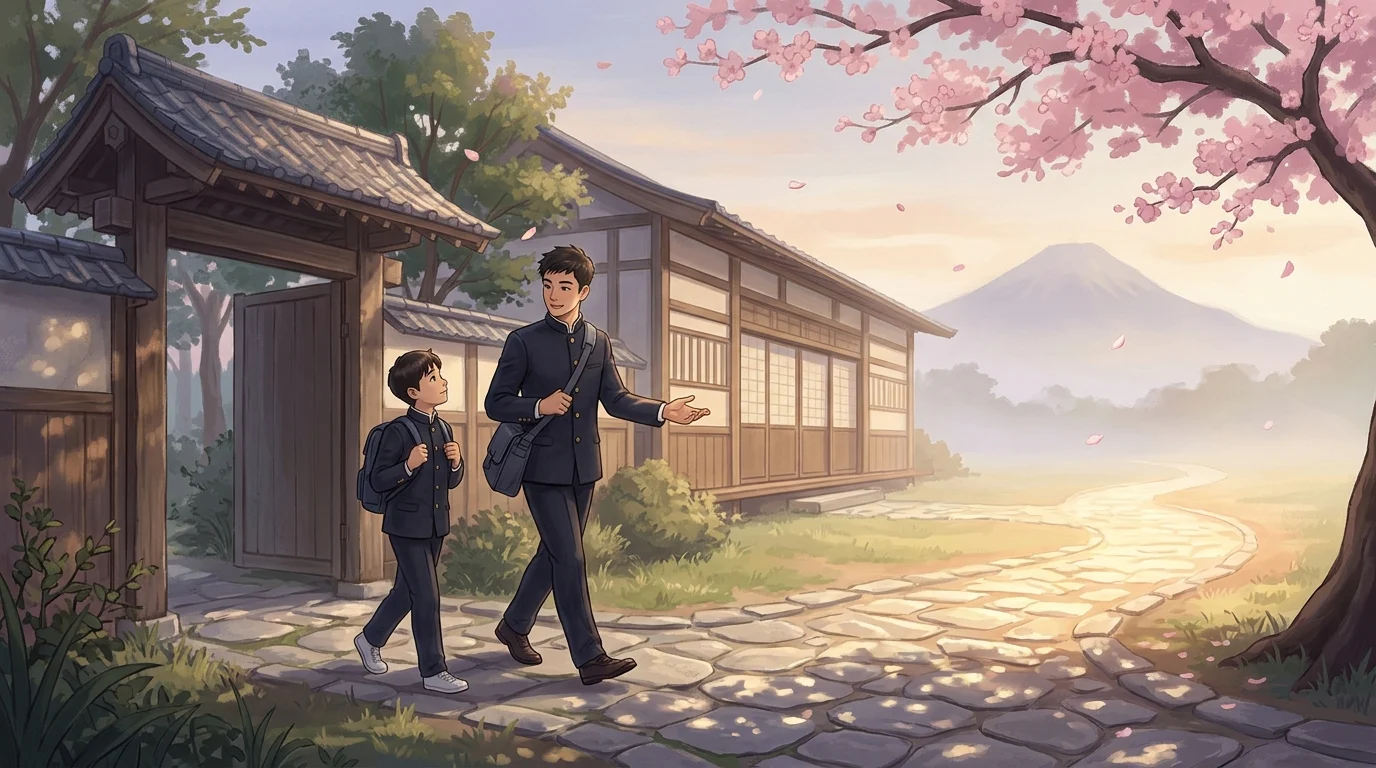
Quick Ans: In Japanese, senpai (先輩) means “upperclassman.” It refers to someone who is older or more experienced than you in a specific setting, such as a school, workplace, sports club, or organization. It is not a family term and not a romantic word. It is a title of respect used to acknowledge that someone entered the group before you did.
If you have watched anime, read manga, or spent any time in Japanese pop culture spaces, you have likely encountered the word “senpai.” It appears constantly in school stories, sports dramas, and workplace scenes. Yet for many fans outside Japan, the exact meaning remains fuzzy. Some assume it means “crush” or “boyfriend.” Others think it only applies to school settings. Neither assumption is correct.
Understanding “senpai” requires understanding how Japanese society organizes relationships. Age, experience, and group membership matter deeply, and the language reflects this through a system of relational titles. “Senpai” is one of the most important of these titles. It signals respect, obligation, and a structured bond between someone who has walked the path before and someone who is still learning. This guide explains what “senpai” means, how it used, how it differs from related terms, and why it carries so much cultural weight.
The Core Meaning of Senpai
The Japanese word 先輩 (senpai) made up of two characters. 先 (sen) means “before” or “ahead.” 輩 (pai) means “companion” or “fellow.” Together, they describe someone who is ahead of you in the same group or path .
The standard definition is “senior” or “elder” in a relative sense. A senpai is someone who joined the group, school, club, or company before you did. They are ahead of you in the hierarchy of experience, and they are generally expected to mentor, guide, and look out for you .
Crucially, senpai is a relational term, not an absolute one. You are only a senpai relative to someone else. The person below you is your kōhai (後輩), meaning “junior.” If you leave the group, the relationship dissolves. It is tied to context, not to a permanent identity .
How Senpai Is Used in Different Settings
Senpai appears across nearly every structured group in Japanese life. The specific expectations vary, but the basic pattern remains the same.
In School and University
In schools, senpai refers to students in a higher grade. A first-year student calls a second-year or third-year student senpai. This usage is extremely common in Japanese schools, where clubs and extracurricular activities create strong vertical bonds between older and younger students .
In school clubs, the senpai-kōhai relationship is especially pronounced. Older students teach younger ones the rules, traditions, and etiquette of the club. They are expected to set an example and to take responsibility for their juniors’ development .
In the Workplace
In Japanese companies, senpai refers to a colleague who joined the company earlier, regardless of age. A 25-year-old who started at the firm two years ago is the senpai of a 30-year-old who just joined. This is a key point. Seniority in the organization matters more than chronological age .
Workplace senpai are often expected to train new employees, answer their questions, and help them adjust to company culture. The relationship can be formal or relatively casual, depending on the workplace .
In Sports and Clubs
Sports teams and hobby clubs rely heavily on the senpai-kōhai structure. Senpai are expected to model discipline and skill, while kōhai are expected to show deference, follow instructions, and support their older people. This dynamic is a frequent theme in sports anime and manga for good reason: it reflects real social expectations .
In Everyday Life
Senpai can also appear in community groups, religious organizations, and even online communities. Anywhere there is a structured group with a sense of entry order, the senpai-kōhai relationship can take shape.
What Senpai Is Not
Because the word is often misunderstood outside Japan, it helps to clarify what senpai does not mean.
- It does not mean “crush” or “love interest.” The romantic association comes from anime and manga, where characters sometimes develop feelings for their senpai. But the word itself has no romantic meaning. It simply means “senior.”
- It is not a family term. Senpai is not used for siblings, parents, or relatives. Family terms like oniisan (older brother) and oneesan (older sister) are separate.
- It is not a generic term for “older person.” A much older person who is not in your group is not automatically your senpai. The term depends on shared group membership and relative entry order.
- It is not a gender-specific term. Human beings can be senpai. The title applies equally regardless of gender.
Senpai vs. Kōhai: The Two Sides of the Relationship
The senpai-kōhai relationship is a two-way street. Understanding both roles clarifies how the system works.
| Term | Meaning | Role and Expectations |
|---|---|---|
| Senpai (先輩) | Senior | Mentor, guide, example-setter. Expected to teach, support, and take responsibility for juniors. |
| Kōhai (後輩) | Junior | Learner, follower, supporter. Expected to show respect, follow instructions, and assist older people |
The relationship is not simply about authority. Senpai are expected to be worthy of respect, not just demand it. A senpai who neglects their duties or treats juniors poorly loses the moral standing that the title implies. Conversely, a kōhai who shows proper respect and effort earns guidance and opportunities .
In modern Japan, this relationship has become more flexible than in the past. Many young people prefer less rigid hierarchies, and workplace senpai relationships vary widely. But the basic framework remains influential .
Senpai in Pop Culture and Global Fandom
The word senpai has become globally recognizable through anime and manga. Series set in schools and clubs frequently feature senpai characters who serve as mentors, rivals, or objects of affection. This has led to the widespread “notice me, senpai” meme, which pokes fun at the idea of a junior desperately seeking acknowledgment from a senior .
However, international fans often use “senpai” more loosely than native speakers do. Some use it to refer to any older person they admire, or even to celebrities and idols. This usage is understandable but departs from the Japanese meaning. In Japanese, senpai is tied to a shared group and a specific hierarchical relationship. It is not a general term of admiration .
Frequently Asked Questions About “Senpai” in Japanese
What does “senpai” mean in Japanese?
Senpai means “senior” or “upperclassman.” It refers to someone who is older or more experienced in a specific group, such as a school, workplace, or club. It is a relational term tied to entry order within a group .
Is “senpai” the same as “sensei”?
No. Sensei (先生) means “teacher” or “master” and is a title of expertise and authority. Senpai means “senior” and refers to someone ahead of you in the same group. A teacher is not automatically a senpai, and a senpai is not necessarily a teacher .
Can “senpai” be used romantically?
The word itself has no romantic meaning. It simply means “senior.” However, in anime and manga, characters sometimes have romantic feelings for their senpai, which has led to the misconception that senpai means “crush.” In real life, it is a term of respect and hierarchy .
Do you have to be older to be a senpai?
No. Senpai is determined by entry order, not age. In a workplace, a younger person who joined the company earlier is the senpai of an older person who joined later. In schools, grade level usually aligns with age, but the principle is the same .
What is the opposite of “senpai”?
The opposite is kōhai (後輩) , meaning “junior.” The senpai-kōhai relationship is a fundamental social dynamic in Japanese schools, clubs, and workplaces, with expectations of mentorship and respect on both sides .
Conclusion
To answer the question of what “senpai” means in Japanese: it means “senior” or “upperclassman,” a person who is ahead of you in a shared group or organization. It is a relational title built on respect, experience, and responsibility. Senpai are expected to guide and support their juniors, while kōhai are expected to show deference and effort. The term has become globally famous through anime and manga, but its true meaning is rooted in Japanese social structure, not in romance or fandom. Understanding senpai means understanding how Japanese culture values hierarchy, mentorship, and group belonging. The next time you hear the word in an anime or a conversation, you will know exactly what it signifies: a senior who has walked the path before you, and the bond that connects you across that distance.










1 thought on “What Does “Senpai” Mean in Japanese? A Clear Guide to This Important Social Term 2026”