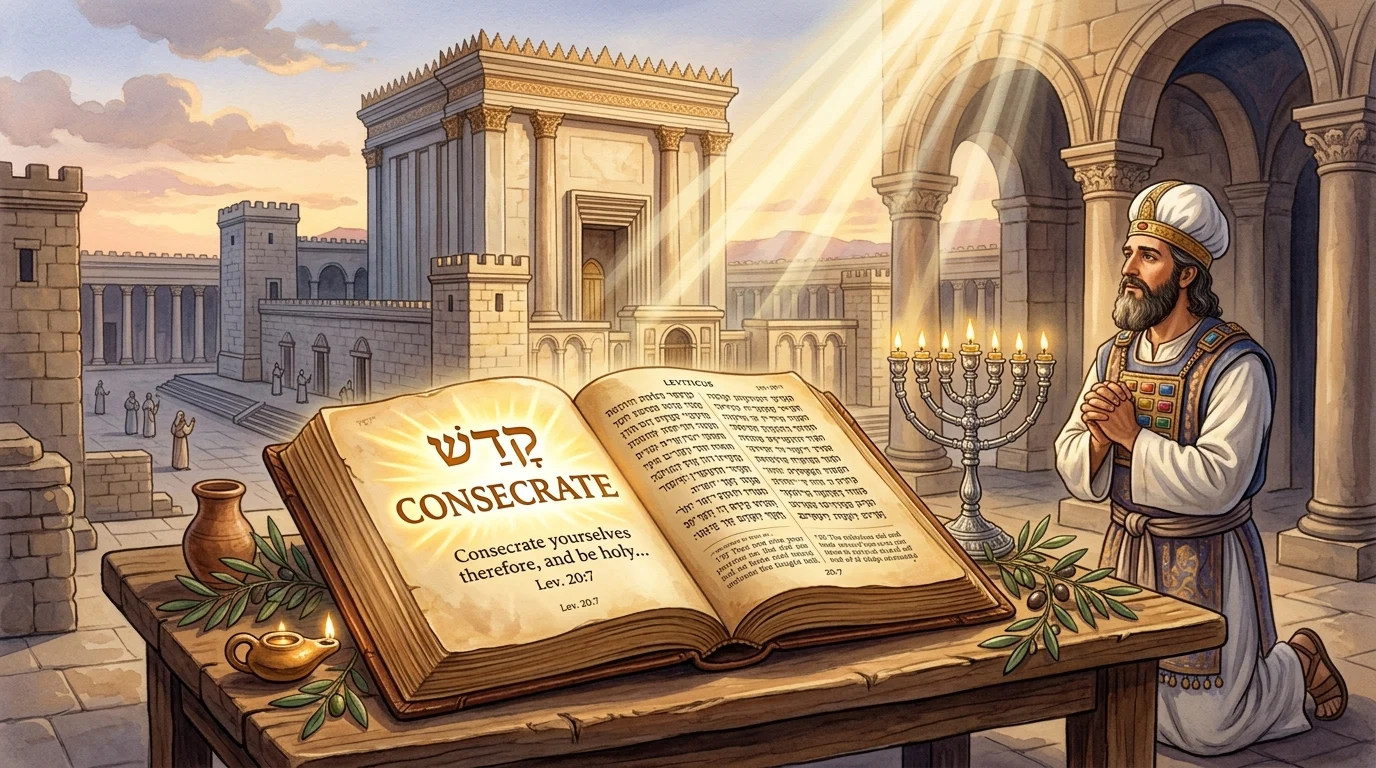
Quick Ans: To consecrate in the Bible means to set apart a person, place, or object for God’s holy purpose. Consecration involves dedicating something to the Lord, making it holy for His service, and committing to live according to His will. Throughout Scripture, priests, temples, offerings, and God’s people were consecrated for sacred purposes.
If you’ve been reading the Bible, attending church, or listening to a sermon, you’ve probably encountered the word consecrate. While it may sound like an old or formal religious term, its meaning is both simple and deeply significant.
In the Bible, consecration is about belonging completely to God. It describes the act of setting someone or something apart for God’s purposes. Whether referring to priests serving in the tabernacle, the nation of Israel, the temple, or individual believers, consecration emphasizes holiness, obedience, and dedication to the Lord.
Understanding what consecrate means in the Bible helps readers better understand many passages throughout both the Old and New Testaments. This guide explains the biblical definition, key Scripture examples, Hebrew and Greek meanings, practical applications, and what consecration means for Christians today.
Quick Answer Box
| Topic | Answer |
|---|---|
| Biblical Meaning | To set apart for God’s holy purpose |
| Hebrew Idea | To dedicate, make holy, set apart |
| Greek Idea | To sanctify or devote to God |
| Applies To | People, priests, places, objects, offerings, believers |
| Main Theme | Holiness, dedication, obedience, worship |
| Modern Application | Living a life devoted to God’s purposes |
What Does Consecrate Mean in the Bible?
In the Bible, to consecrate means to set apart someone or something exclusively for God’s service.
Consecration is more than making something special. It is an act of dedicating it to God for a sacred purpose. Once consecrated, a person or object is considered devoted to the Lord and should be treated with honor and reverence.
Throughout Scripture, God instructed His people to consecrate:
- Priests
- Altars
- The Tabernacle
- The Temple
- Sacrifices
- The Nation of Israel
- Special days
- Firstborn sons
- Believers
The purpose of consecration was to distinguish what belonged to God from ordinary or common use.
Full Biblical Definition
Biblically, consecration includes several closely related ideas.
Being Set Apart
Consecration means separating something for God’s use rather than everyday purposes.
Dedication
It involves willingly dedicating one’s life, actions, or possessions to God.
Holiness
Consecration is closely connected with holiness because God is holy.
Obedience
Those who are consecrated are expected to live according to God’s commands.
Consecration is therefore both an outward act and an inward commitment.
Hebrew and Greek Meaning
Hebrew Meaning
In the Old Testament, several Hebrew words relate to consecration.
These words carry meanings such as:
- Set apart
- Fill the hand (ordination)
- Make holy
- Dedicate
- Sanctify
These expressions were often used when priests were ordained or when sacred objects were prepared for worship.
Greek Meaning
The New Testament uses Greek words that emphasize:
- Sanctify
- Make holy
- Dedicate
- Purify
- Devote to God
Although different words appear throughout Scripture, they all communicate the idea of belonging completely to God.
Consecration in the Old Testament
The Old Testament contains many examples of consecration.
Consecrating the Priests
Aaron and his sons were consecrated before serving as priests.
Their consecration included:
- Washing
- Sacred clothing
- Anointing with oil
- Animal sacrifices
- Public dedication
This ceremony demonstrated that serving God required holiness.
Consecrating the Tabernacle
The Tabernacle and everything inside it were consecrated before worship began.
Items such as:
- The altar
- Lampstand
- Ark of the Covenant
- Incense altar
- Bronze basin
were all dedicated exclusively to God’s service.
Consecrating the Nation
God repeatedly called Israel to be a holy people.
They were instructed to separate themselves from sinful practices and live according to His covenant.
Consecration in the New Testament
The New Testament shifts the focus from ceremonial consecration to personal spiritual dedication.
Instead of concentrating primarily on physical objects, believers themselves become God’s temple.
Christians are encouraged to:
- Live holy lives.
- Serve God faithfully.
- Follow Jesus wholeheartedly.
- Offer themselves as living sacrifices.
- Honor God through their words and actions.
Consecration becomes a lifelong relationship with God rather than merely a religious ceremony.
Bible Examples of Consecration
Moses
Before approaching God’s presence, Moses encountered holy ground where reverence and obedience were required.
Aaron
Aaron’s priesthood began with a formal consecration ceremony before ministering before the Lord.
Samuel
Samuel was dedicated to God’s service from childhood by his mother Hannah.
The Temple
Solomon dedicated the Temple as a place where God’s people could worship Him.
Jesus Christ
Jesus perfectly lived a life completely devoted to His Father’s will, providing the ultimate example of complete obedience and dedication.
Why Is Consecration Important?
Consecration reminds believers that their lives ultimately belong to God.
It demonstrates:
- Faith
- Obedience
- Reverence
- Worship
- Holiness
- Commitment
Rather than viewing faith as something practiced only occasionally, consecration encourages believers to honor God in every part of life.
What Does Consecration Look Like Today?
Modern Christians may not participate in Old Testament ceremonies, but the principle of consecration remains important.
Today, consecration may involve:
Prayer
Setting aside regular time to seek God.
Worship
Giving God praise with sincerity.
Obedience
Following biblical teaching in everyday decisions.
Service
Using talents and gifts to help others.
Holiness
Choosing a lifestyle that reflects God’s character.
Stewardship
Recognizing that time, abilities, finances, and opportunities ultimately belong to God.
Common Misunderstandings
Many people misunderstand consecration.
Consecration Doesn’t Mean Perfection
Being consecrated doesn’t mean someone never sins.
Rather, it means living with a sincere desire to follow God.
Consecration Isn’t Limited to Pastors
Every believer is called to dedicate their life to God, not only church leaders.
Consecration Isn’t Just a Ceremony
Although Scripture records ceremonial acts, biblical consecration ultimately involves the heart.
How Can You Consecrate Yourself to God?
Many Christians view consecration as an ongoing daily commitment.
Practical ways include:
- Spending time in prayer.
- Reading Scripture regularly.
- Repenting of sin.
- Serving others with love.
- Worshipping faithfully.
- Trusting God’s guidance.
- Seeking spiritual growth.
- Living with integrity.
- Loving others as Christ commanded.
- Remaining faithful during difficult times.
Consecration is not about earning God’s love but responding to His grace with wholehearted devotion.
Related Biblical Terms
Understanding consecration becomes easier when compared with similar biblical words.
- Sanctify
- Holy
- Dedicate
- Set Apart
- Purify
- Ordain
- Worship
- Covenant
- Sacrifice
- Redemption
Although each term has its own meaning, they are closely connected throughout Scripture.
Frequently Asked Questions
What does consecrate mean in the Bible?
It means to set apart a person or thing for God’s holy purpose and service.
Is consecration the same as sanctification?
They are closely related but not identical. Consecration emphasizes dedication to God, while sanctification often refers to the ongoing process of becoming holy.
Who was consecrated in the Bible?
Priests, kings, prophets, the nation of Israel, sacred objects, the Temple, and God’s people were all consecrated for His purposes.
Why did God command consecration?
Consecration reminded His people that He is holy and that those who belong to Him should live differently.
Can Christians consecrate themselves today?
Yes. Christians consecrate themselves by dedicating their lives to God through faith, obedience, worship, and service.
Does consecration remove sin?
No. Forgiveness comes through God’s grace, while consecration is the act of dedicating oneself to Him.
Is consecration only found in the Old Testament?
No. Although many ceremonial examples appear in the Old Testament, the New Testament also teaches spiritual dedication and holy living.
What is the difference between dedicate and consecrate?
Dedicate generally means committing something to a purpose, while consecrate specifically refers to setting it apart for God’s holy use.
Why were priests consecrated?
They were consecrated to serve God in the Tabernacle and later the Temple with holiness and obedience.
What can believers learn from consecration?
Consecration teaches that every aspect of life should honor God through faithful worship, obedience, and love.
Conclusion
Understanding what consecrate means in the Bible reveals one of Scripture’s central themes: God calls His people to be set apart for His purposes. From the consecration of priests and sacred objects in the Old Testament to the New Testament’s emphasis on wholehearted devotion, consecration reflects holiness, obedience, and faithful worship.
For believers today, consecration is more than a ceremony. It is a daily decision to dedicate every area of life to God. Through prayer, obedience, service, and faithful living, Christians continue the biblical principle of being set apart for the Lord’s work and glory.
Discover More:-
- STD Meaning in Text: What It Means, How to Use It, Examples & More 2026
- Awe Meaning in Text: Definition, Uses, Examples & Social Media Guide 2026

Amelia Brooks is a professional content writer and digital publishing specialist with a passion for creating clear, engaging, and informative content. She has extensive experience writing about technology, business, lifestyle, and online services.