Quick Answer: In art, emphasis is the principle of making one element stand out so the viewer’s attention goes there first. Artists create emphasis through contrast, color, size, placement, isolation, or detail, and the result is a clear focal point that anchors the composition. Emphasis answers a simple question: what is the artist asking me to look at first?
Walk into any gallery and your eyes will land somewhere before they wander. That first landing spot is usually not an accident. Artists spend considerable time deciding where attention should go, and the tool they use to direct it is emphasis. It is one of the foundational principles of design, sitting alongside balance, rhythm, and proportion, and it shapes how every painting, poster, photograph, and logo is read.
Emphasis matters because without it, compositions feel flat or chaotic. When everything competes equally, nothing holds the viewer’s gaze. When one element clearly leads, the rest of the image gains structure and meaning. This guide explains what emphasis means in art, the techniques artists use to create it, how it differs from related concepts like focal point and contrast, and how you can spot and apply it in your own creative work.
The Core Meaning of Emphasis in Art
Emphasis is the principle that directs the viewer’s eye to a specific area of a composition. It creates a focal point, the place where attention concentrates before moving through the rest of the artwork. The purpose is not simply decoration. Emphasis gives an artwork hierarchy, guiding the viewer through what to notice first, second, and last.
The concept works by contrast. Wherever an element differs noticeably from its surroundings, the eye is drawn to it. A bright red apple in a bowl of green ones, a single vertical line in a field of horizontals, or a sharp edge among soft ones all create emphasis because of difference. When contrast is strong and intentional, the emphasis is clear. When it is accidental, the composition can feel confusing.
Emphasis can also be subdued. Not every artwork needs a screaming focal point. A painter might create a gentle emphasis through a subtle shift in value or a slightly warmer tone, inviting the eye rather than shouting at it. The principle remains the same: one area is given priority over the others.
Techniques Artists Use to Create Emphasis
Artists have a wide toolkit for creating emphasis. Most compositions use more than one technique at once, layering them for a stronger effect.
Contrast
Contrast is the most direct tool. Light against dark, rough against smooth, bright against muted. A subject placed against a contrasting background stands out immediately. In black and white photography, a single bright highlight in an otherwise dark scene becomes the focal point by default.
Color
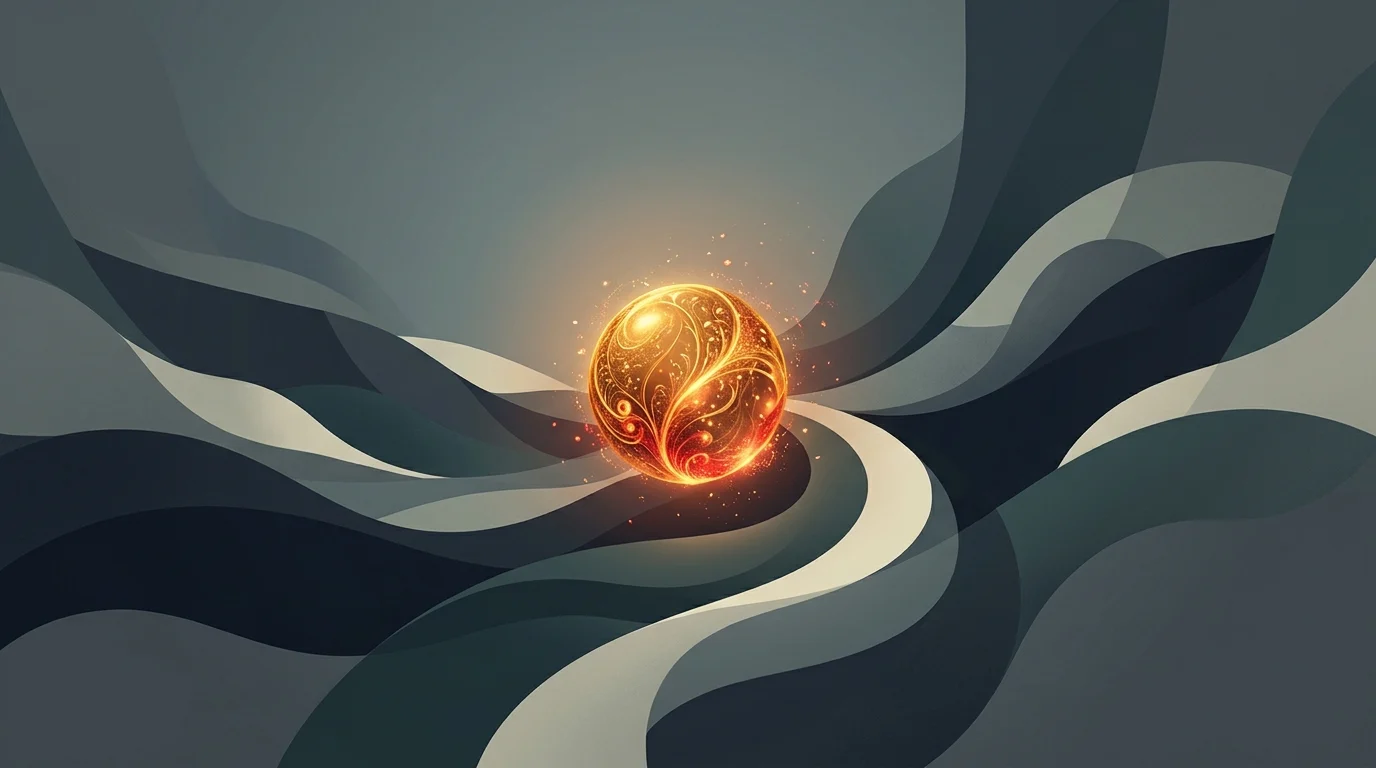
Color draws the eye faster than almost any other element. A saturated warm color in a cool-toned painting will dominate attention. Complementary colors, placed side by side, create vibration and emphasis. Even a small patch of an unexpected color can redirect the viewer’s gaze.
Size and Scale
Larger elements tend to command attention. An oversized figure in a composition of small ones becomes the focal point by sheer physical presence. Scale can also be used in reverse, where a tiny detailed element in a large empty field draws the eye through isolation.
Placement
Where an element sits matters. The center commands attention, but so do the rule of thirds intersections and areas of high visual activity. Placement near a vanishing point or at the end of leading lines can also create emphasis.
Isolation and Negative Space
Surrounding an element with empty space makes it stand out. A lone tree in a wide field, a single figure in an empty room, or a solitary object on a plain background all gain emphasis through isolation.
Detail and Texture
Areas of high detail attract the eye because the brain wants to inspect them. A face rendered with fine brushwork in a loosely painted scene will hold attention. Texture works the same way, drawing the eye to surfaces that invite closer looking.
Direction and Leading Lines
Lines in a composition can point toward a specific area. Roads, rivers, gazes, and gestures all guide the viewer’s eye. When multiple lines converge on one spot, emphasis is almost guaranteed.
Emphasis vs. Focal Point vs. Contrast
These terms are related but not identical, and mixing them up causes confusion.
| Term | Meaning |
|---|---|
| Emphasis | The principle of giving one element priority over others |
| Focal point | The specific area where emphasis lands and attention concentrates |
| Contrast | One of the main tools used to create emphasis |
Emphasis is the strategy. The focal point is the destination. Contrast is one of the vehicles that gets the viewer there. An artwork can have a focal point without strong contrast, and it can have contrast without a clear focal point. Good design uses all three together.
Emphasis in Different Art Forms
Emphasis appears across every visual discipline, though the techniques shift with the medium.
- Painting: A painter might use color temperature, brushwork, and lighting to make a face stand out from a crowded scene.
- Photography: Photographers use depth of field, lighting, framing, and color to isolate a subject. A sharp subject against a blurred background is classic emphasis.
- Graphic design: Designers use scale, white space, and bold typography to make a call to action stand out on a page.
- Sculpture: Form, shadow, and placement within a space create emphasis. A polished surface against rough stone draws the eye.
- Interior design: A single statement piece, like a brightly colored chair in a neutral room, uses emphasis to anchor a space.
The principle stays constant even as the tools change. One element leads, and the rest supports it.
Common Mistakes with Emphasis
Even experienced artists run into problems with emphasis. Here are the most frequent ones.
- Too many focal points. When several elements compete equally, the eye has nowhere to rest. The composition feels busy rather than directed.
- Accidental emphasis. A stray bright color or a distracting background detail can pull attention away from the intended subject.
- No clear hierarchy. If everything is equally important, nothing is. Viewers lose interest when they cannot tell what matters.
- Overusing contrast. Constant high contrast exhausts the eye. Emphasis works best when it is deliberate and supported by calmer areas.
- Ignoring the edges. Attention often drifts to the corners of an image. Artists need to check that the edges do not compete with the focal point.
How to Practice Emphasis in Your Own Work
Emphasis is a skill that improves with deliberate practice. Here are practical ways to strengthen it.
- Decide the focal point first. Before adding detail, ask what the viewer should notice first. Build the composition around that answer.
- Squint at your work. Squinting blurs detail and reveals where the strongest contrast sits. If the wrong area jumps out, adjust it.
- Limit competing elements. Simplify the background. Reduce the number of bright colors. Let one thing lead.
- Use a viewfinder. Crop your composition with your hands or a frame to see how placement changes emphasis.
- Study masterworks. Look at paintings by Vermeer, Caravaggio, or Hopper and identify the focal point. Notice which techniques created it.
Frequently Asked Questions About Emphasis in Art
What is emphasis in art in simple terms?
Emphasis is the principle of making one part of an artwork stand out so the viewer looks there first. It creates a focal point and gives the composition a clear hierarchy.
What are the main ways to create emphasis?
The main techniques are contrast, color, size, placement, isolation, detail, and leading lines. Most artworks combine several of these to strengthen the focal point.
What is the difference between emphasis and focal point?
Emphasis is the design principle of giving one element priority. The focal point is the specific spot where that emphasis lands. Emphasis is the strategy; the focal point is the result.
Can an artwork have more than one focal point?
Yes, but it requires care. Secondary focal points can guide the eye through a composition, but too many equal focal points create confusion. Hierarchy is key.
Why is emphasis important in art?
Emphasis gives structure and meaning to a composition. It tells the viewer what matters, prevents visual chaos, and helps the artist communicate a message or mood clearly.
Conclusion
To answer the question of what emphasis means in art: it is the principle of directing the viewer’s attention to a specific area through contrast, color, size, placement, and other techniques. Emphasis creates the focal point that anchors a composition and gives it hierarchy and clarity. Without it, artworks feel flat or busy. With it, the viewer knows exactly where to look and why. Whether you are painting, photographing, designing, or simply learning to appreciate art, understanding emphasis sharpens your eye and strengthens your creative decisions. Pick one focal point, build contrast around it, and let the rest of the composition support it. That is emphasis at work.