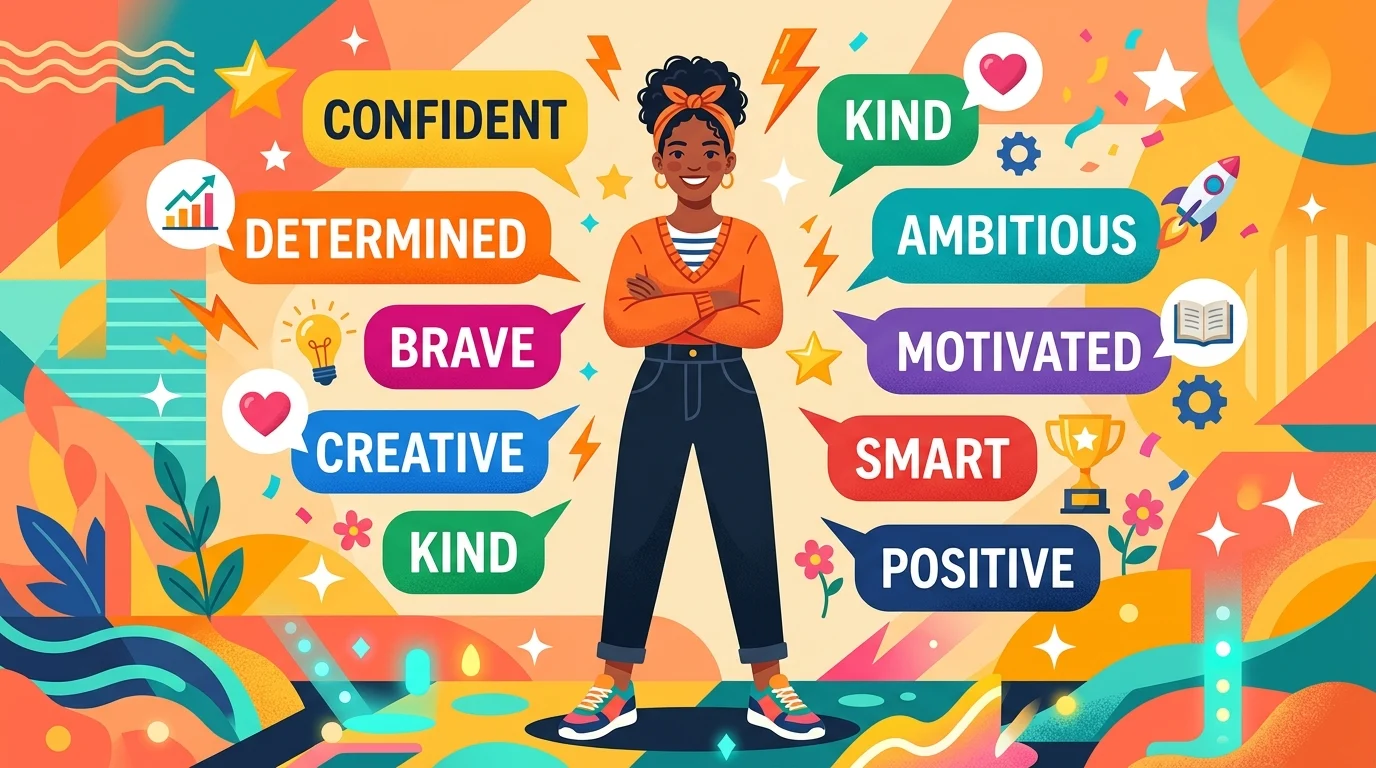
Quick Ans: Feisty is an adjective used to describe someone who is spirited, confident, energetic, and willing to stand up for themselves. While it often has a positive meaning, it can sometimes describe someone who is argumentative or easily provoked, depending on the context.
If you’ve ever heard someone described as feisty, you may have wondered whether it was meant as a compliment or an insult. The truth is that feisty can carry both positive and slightly negative meanings depending on how it’s used.
In modern English, feisty most commonly describes a person with a bold personality who isn’t afraid to express their opinions or defend themselves. The word is frequently used to describe confident children, determined athletes, outspoken coworkers, passionate friends, and even energetic pets.
This guide explains the feisty meaning, its origins, pronunciation, common uses, personality traits, real-life examples, synonyms, antonyms, common misunderstandings, and tips for using the word naturally in everyday conversations.
Quick Answer Box
| Topic | Answer |
|---|---|
| Word | Feisty |
| Pronunciation | FYE-stee |
| Part of Speech | Adjective |
| Primary Meaning | Spirited, bold, confident, and determined |
| Tone | Usually positive but depends on context |
| Common Uses | Personality, relationships, sports, pets, workplace, everyday conversations |
What Does Feisty Mean?
The word feisty describes someone who is:
- Bold
- Spirited
- Confident
- Courageous
- Energetic
- Determined
- Not easily intimidated
A feisty person usually refuses to back down from challenges. They confidently express their opinions and often defend themselves or others when necessary.
For example:
“She’s small, but she’s incredibly feisty.”
This means she has a strong personality despite her size.
Full Definition
According to modern English usage, feisty refers to someone who shows strength, determination, courage, and enthusiasm, especially when facing opposition.
The word often implies that a person has:
- Strong opinions
- High energy
- Self-confidence
- Persistence
- Independence
- Emotional strength
Depending on the tone, it may also suggest someone who is slightly argumentative or quick to respond when challenged.
Origin of the Word
The word feisty comes from the older English word feist, which originally referred to a small but lively dog.
Over time, the meaning evolved to describe people who display similar characteristics—energetic, fearless, and full of spirit despite their size or circumstances.
Today, the term is commonly used as a compliment for someone’s determination and resilience.
Context and Usage
Context determines whether feisty sounds positive or negative.
Positive Context
Examples:
- A feisty entrepreneur never gives up.
- She gave a feisty speech.
- The team showed a feisty performance.
- Their daughter is confident and feisty.
Here, the word praises confidence and determination.
Slightly Negative Context
Sometimes feisty can describe someone who argues frequently.
Example:
“He’s feeling feisty today.”
This may suggest he’s ready to argue or challenge others.
Even then, the word is usually softer than calling someone rude or aggressive.
Real-Life Examples
Conversation Example 1
Emma: Your little sister is hilarious.
Olivia: She can be pretty feisty.
Emma: I noticed! She definitely speaks her mind.
Conversation Example 2
Coach: Great game today.
Player: Thanks!
Coach: I loved your feisty attitude.
Conversation Example 3
Mark: Your puppy is adorable.
Jake: Thanks. He’s tiny but very feisty.
Conversation Example 4
Sarah: I wasn’t expecting her to disagree.
Emily: She’s always been feisty.
Conversation Example 5
Alex: How was the debate?
Ryan: Intense! Everyone was feisty.
How Is Feisty Used in Different Situations?
Relationships
People may describe a partner as feisty if they are confident and outspoken.
Example:
“She’s feisty, and I love that about her.”
Workplace
Managers sometimes praise employees for being feisty when they confidently share ideas.
Example:
“He brought a feisty energy to the meeting.”
Sports
Sports commentators often describe determined teams as feisty.
Example:
“The underdogs played a feisty match.”
Children
Parents may affectionately call children feisty when they have strong personalities.
Example:
“Our daughter is smart and feisty.”
Pets
Small dogs and cats are often described as feisty.
Example:
“Don’t underestimate that little terrier—he’s feisty.”
Synonyms of Feisty
Words with similar meanings include:
- Spirited
- Bold
- Lively
- Determined
- Assertive
- Courageous
- Energetic
- Confident
- Fiery
- Strong-willed
- Resilient
- Passionate
Each synonym has slightly different shades of meaning, but all share the idea of energy and determination.
Antonyms of Feisty
Opposite words include:
- Timid
- Shy
- Passive
- Quiet
- Reserved
- Gentle
- Hesitant
- Meek
- Submissive
- Withdrawn
These words describe people who are less likely to challenge others or express themselves forcefully.
Is Feisty a Compliment?
Most of the time, yes.
Calling someone feisty often means you admire their:
- Confidence
- Determination
- Independence
- Courage
- Passion
However, if spoken with an annoyed tone, it could imply that someone is argumentative or difficult.
For this reason, always pay attention to the speaker’s tone and the overall context.
Common Misinterpretations
Some people mistakenly think feisty means:
- Angry
- Mean
- Aggressive
- Rude
In reality, these words are much stronger.
A feisty person isn’t necessarily hostile. They’re simply confident and willing to stand up for themselves.
When Not to Use Feisty
Avoid using the word if someone may interpret it as:
- Dismissive
- Condescending
- Stereotyping
For example, describing someone as “feisty” in a professional setting may unintentionally minimize their expertise or leadership, especially if the context focuses more on personality than achievements.
Instead, consider words like:
- Confident
- Determined
- Assertive
- Resilient
when appropriate.
Usage Tips
To use feisty naturally:
- Use it to describe confident personalities.
- Consider the speaker’s tone.
- Reserve it for informal or conversational English.
- Pair it with positive qualities such as determination and resilience.
- Avoid using it sarcastically unless that’s your intention.
Frequently Asked Questions
What does feisty mean?
It means someone who is spirited, confident, bold, and willing to stand up for themselves.
Is feisty a compliment?
Usually, yes. It often praises someone’s confidence and determination.
Can feisty be negative?
Sometimes. Depending on the tone, it can suggest someone is argumentative or easily provoked.
Is feisty the same as aggressive?
No. A feisty person is confident and spirited, while an aggressive person may behave in a hostile or forceful way.
Can children be described as feisty?
Yes. Parents often use the word affectionately for energetic and outspoken children.
Can pets be feisty?
Absolutely. Small dogs and cats are commonly described as feisty because of their lively personalities.
What is the difference between feisty and fiery?
Feisty usually emphasizes determination and spirit, while fiery often highlights intense emotion or passion.
Is feisty used in American English?
Yes. It’s widely used in both American and British English.
What are some synonyms for feisty?
Common synonyms include spirited, bold, assertive, lively, determined, and strong-willed.
How do I use feisty in a sentence?
Example: “Despite being the youngest member of the team, she had a feisty attitude that inspired everyone.”
Conclusion
The feisty meaning goes beyond simply being energetic or outspoken. It describes a person who is confident, spirited, determined, and unafraid to stand up for themselves. Whether you’re talking about a passionate athlete, a confident child, a resilient coworker, or even a lively pet, feisty is usually a positive way to highlight courage and personality.
Although the word can occasionally suggest someone is argumentative, context and tone determine its exact meaning. In most everyday conversations, calling someone feisty recognizes their strength, enthusiasm, and willingness to face challenges head-on. Understanding how and when to use this adjective will help you communicate more naturally and appreciate one of the English language’s most expressive personality descriptors.
Discover More:-
- Asinine Meaning: Definition, Examples, Synonyms & Usage 2026
- CRPG Meaning: Definition, Examples & Complete Guide 2026

Alexander Cole is a professional content writer and researcher who specializes in creating informative, reader-friendly, and well-researched articles. He is committed to publishing accurate, valuable, and engaging content that helps readers stay informed and make smarter decisions.