Quick Ans: Flustered means feeling confused, nervous, embarrassed, or overwhelmed, especially because of unexpected pressure or a stressful situation. Someone who is flustered may struggle to think clearly, speak confidently, or act calmly until they regain their composure.
If you’ve ever forgotten what you wanted to say during a presentation, felt overwhelmed after receiving unexpected news, or become embarrassed during an awkward conversation, you’ve probably experienced being flustered.
The word flustered is commonly used in everyday English to describe a temporary emotional state where someone feels confused, anxious, or unsettled. Unlike long-term anxiety or stress, feeling flustered is usually caused by a specific moment or event and often passes quickly once the situation becomes manageable.
Whether you’re reading a novel, watching a movie, learning English, or simply trying to improve your vocabulary, understanding the meaning of flustered can help you communicate emotions more naturally.
This guide explains the complete meaning of flustered, when to use it, common situations, examples, synonyms, antonyms, related words, conversation examples, and answers to frequently asked questions.
Quick Answer Box
| Topic | Answer |
|---|---|
| Word | Flustered |
| Part of Speech | Adjective |
| Meaning | Confused, nervous, embarrassed, or overwhelmed |
| Tone | Neutral |
| Common Situations | Public speaking, interviews, awkward conversations, emergencies, stressful moments |
| Opposite | Calm, composed, relaxed |
| Example | “She became flustered after forgetting her speech.” |
What Does Flustered Mean?
Flustered describes a feeling of temporary confusion or nervousness that makes it difficult to think or act normally.
People become flustered when something unexpected happens, such as:
- Forgetting important information
- Being asked a difficult question
- Receiving surprising news
- Feeling embarrassed
- Being under time pressure
- Making a mistake in front of others
Although being flustered can feel uncomfortable, it is usually temporary and disappears once the person regains confidence or the stressful situation ends.
Full Definition
The dictionary definition of flustered is:
Feeling agitated, confused, nervous, or embarrassed because of excitement, pressure, or surprise.
Unlike panic, which often involves fear, or stress, which may last for a long period, being flustered is generally a short-lived emotional reaction.
For example:
- A student may become flustered after forgetting an exam answer.
- A waiter may feel flustered during a busy dinner rush.
- A speaker may become flustered if technology suddenly stops working.
In each case, the person experiences brief confusion or nervousness but can usually recover quickly.
Context and Usage
The word flustered appears in many everyday situations.
Public Speaking
Many people become flustered when speaking before a large audience.
Example:
“I became flustered when everyone started looking at me.”
Job Interviews
Unexpected questions often make candidates feel flustered.
Example:
“He looked flustered after the interviewer asked about a difficult project.”
School
Students sometimes become flustered during presentations or oral exams.
Example:
“She was flustered and forgot her next sentence.”
Everyday Conversations
People also use flustered for awkward social situations.
Example:
“I got flustered when I forgot his name.”
Busy Workdays
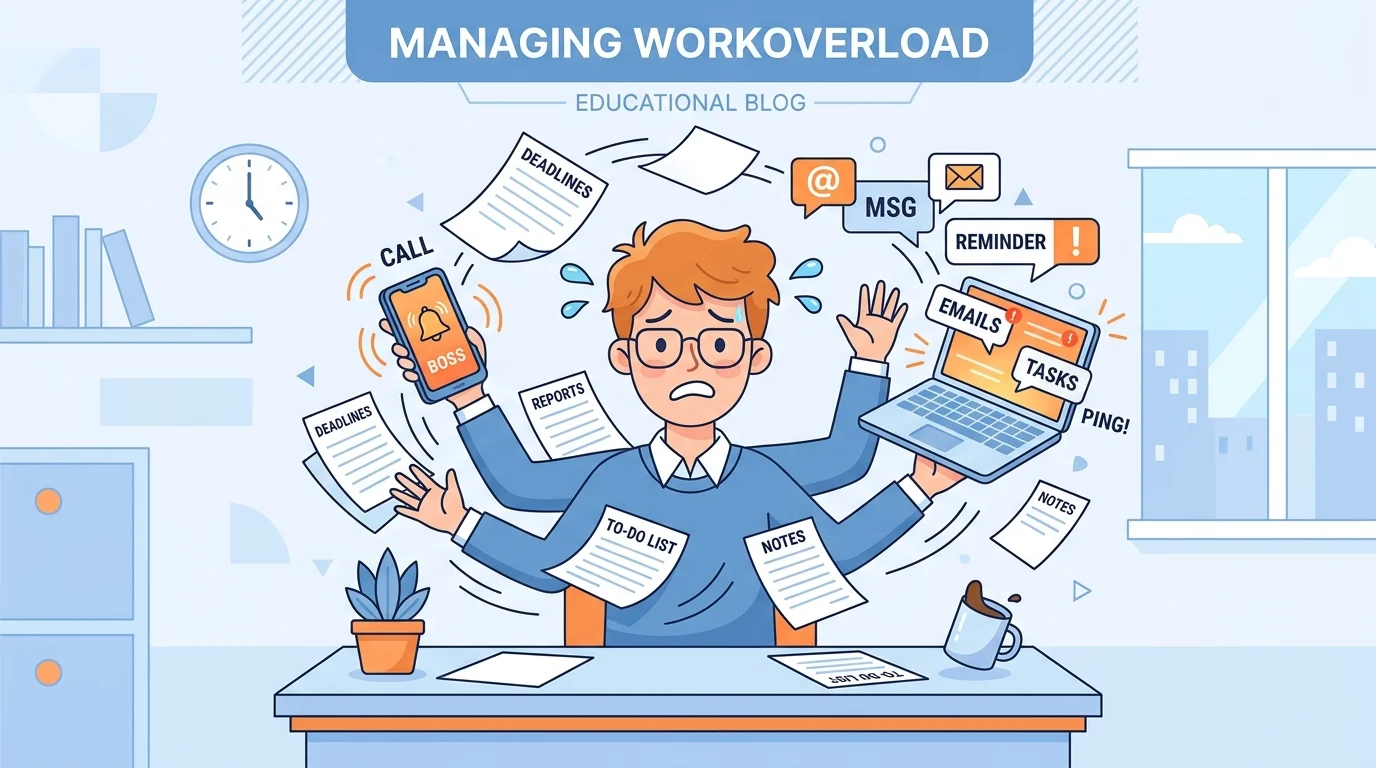
Employees may become flustered when several urgent tasks arrive at once.
Example:
“The receptionist looked flustered during the morning rush.”
Real-Life Examples
Conversation Example 1
Emma: You seemed nervous during the meeting.
Sarah: I got completely flustered when my presentation froze.
Emma: It happens to everyone.
Conversation Example 2
Jake: Why did you stop talking?
Ryan: I got flustered after forgetting my point.
Conversation Example 3
Teacher: Are you okay?
Student: Sorry, I became flustered during the presentation.
Conversation Example 4
Olivia: You answered the first questions perfectly.
Lucas: Then I got flustered when they asked something unexpected.
Conversation Example 5
Sophia: Why were you blushing?
Mia: I was flustered after everyone sang happy birthday to me.
Common Situations Where People Feel Flustered
During a Presentation
Speaking in front of others can make even experienced professionals feel flustered.
Meeting Someone Famous
Many fans become flustered when they meet a celebrity they admire.
Receiving a Compliment
Some people feel flustered when they receive unexpected praise.
Example:
“She became flustered after everyone complimented her artwork.”
Being Late
Running behind schedule often causes people to feel rushed and flustered.
Unexpected Problems
Technology failures, lost documents, or sudden schedule changes can quickly make someone feel flustered.
Synonyms of Flustered
Several words share a similar meaning with flustered.
- Confused
- Nervous
- Frazzled
- Overwhelmed
- Agitated
- Distracted
- Embarrassed
- Disturbed
- Unsettled
- Disorganized
- Rattled
- Upset
- Stressed
- Anxious
- Bewildered
Each synonym carries a slightly different emotional tone, but all relate to feeling mentally unsettled.
Antonyms of Flustered
The opposite of flustered includes words that describe calmness and confidence.
- Calm
- Relaxed
- Composed
- Collected
- Confident
- Self-assured
- Peaceful
- Untroubled
- Cool-headed
- Unshaken
Example:
“Even during the emergency, she remained calm and composed.”
How to Use Flustered Correctly
Use flustered when describing someone’s emotional reaction to temporary pressure.
Correct examples:
- I felt flustered before my speech.
- He became flustered after making a mistake.
- She looked flustered during the interview.
- Don’t get flustered—you’ve prepared well.
- We all get flustered sometimes.
Avoid using it for long-term emotional conditions.
Instead of:
“I’ve been flustered for six months.”
A better choice would be:
“I’ve been stressed for six months.”
Common Mistakes
Many English learners confuse flustered with similar words.
Flustered vs Stressed
Flustered is usually temporary.
Stressed often lasts longer.
Flustered vs Panicked
Feeling flustered is generally less intense than panicking.
Flustered vs Embarrassed
Embarrassment can cause someone to become flustered, but the two words are not identical.
Usage Tips
To use the word naturally:
- Use it to describe temporary emotions.
- Pair it with unexpected situations.
- Avoid overusing it for long-term stress.
- It works well in both spoken and written English.
- It is appropriate in casual and professional conversations.
Frequently Asked Questions
What does flustered mean?
Flustered means feeling temporarily confused, nervous, embarrassed, or overwhelmed because of pressure or an unexpected situation.
Is flustered a positive or negative word?
It is generally neutral but describes an uncomfortable emotional state.
Can someone be flustered and happy?
Yes. Someone may feel flustered because of excitement, surprise, or receiving unexpected praise.
Is flustered the same as anxious?
Not exactly. Anxiety can be long-term, while being flustered is usually temporary.
Can children become flustered?
Yes. Children often become flustered during school presentations or unfamiliar situations.
Is flustered formal?
Yes. It is appropriate in both formal and informal English.
Can I say “I was flustered”?
Absolutely. It is one of the most common ways to use the word.
What’s the difference between flustered and overwhelmed?
Feeling overwhelmed often involves having too much to handle, while being flustered focuses on temporary confusion or nervousness.
Is flustered commonly used in everyday English?
Yes. Native English speakers frequently use it in conversations, books, movies, and news articles.
How can I stop feeling flustered?
Taking a deep breath, slowing down, organizing your thoughts, and focusing on one task at a time can help you regain composure.
Conclusion
The meaning of flustered is feeling temporarily confused, nervous, embarrassed, or overwhelmed because of pressure, surprise, or an unexpected event. It is a common English adjective used to describe those brief moments when emotions make it difficult to think clearly or respond confidently.
Whether you’re speaking in public, attending an interview, meeting someone important, or dealing with an unexpected challenge, feeling flustered is a normal human experience. Fortunately, the feeling usually fades once you regain your confidence and composure.
Understanding how and when to use flustered will improve both your English vocabulary and your ability to describe emotions accurately in everyday conversations, writing, and professional communication.

Amelia Brooks is a professional content writer and digital publishing specialist with a passion for creating clear, engaging, and informative content. She has extensive experience writing about technology, business, lifestyle, and online services.