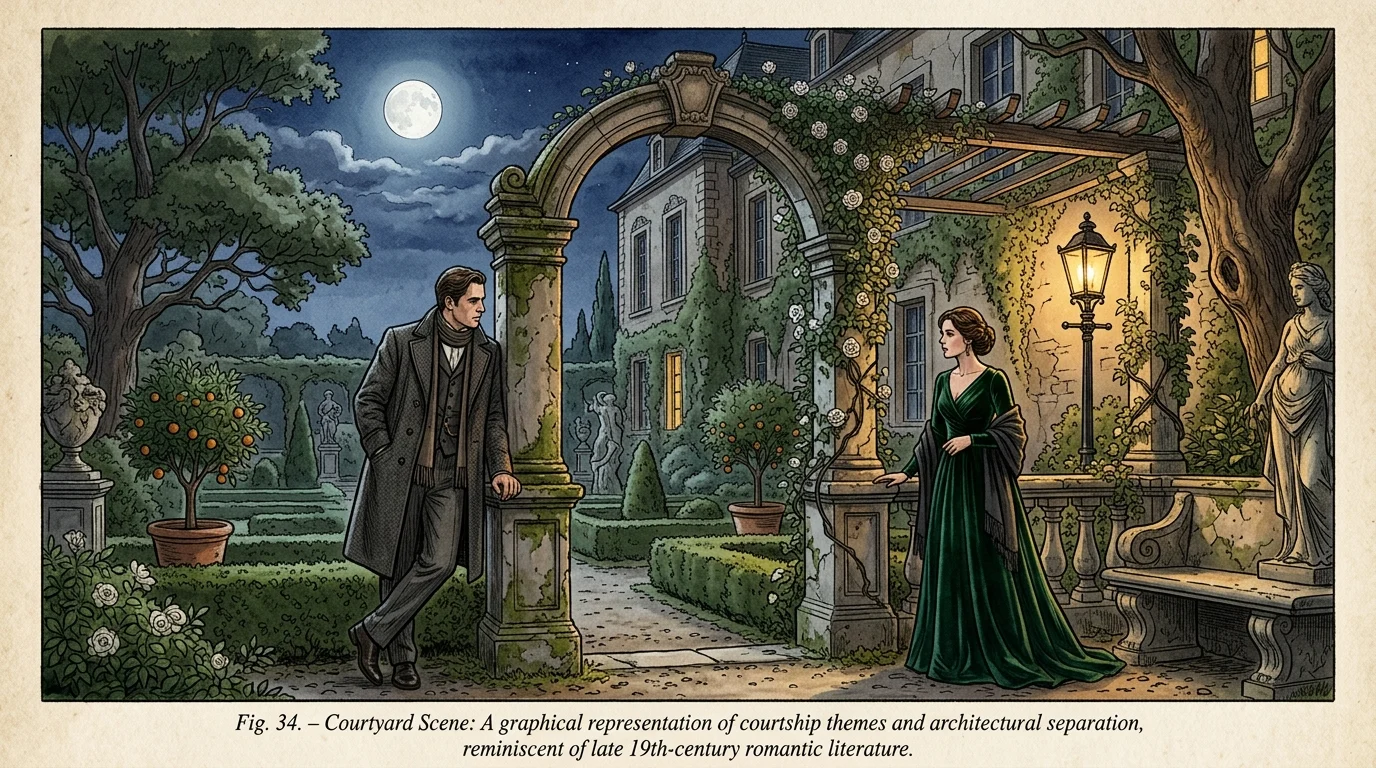
Quick Ans: Paramour is a noun that refers to a lover, especially someone involved in a romantic or sexual relationship outside of marriage or a committed partnership. While the word can simply mean a romantic lover, it often carries the implication of a secret or illicit relationship depending on the context.
If you’ve encountered the word paramour in a novel, movie, news article, or online discussion, you may wonder exactly what it means. Unlike modern relationship terms such as boyfriend, girlfriend, or partner, paramour is a more literary and formal word with historical roots.
Today, the term is commonly associated with secret romances, affairs, or passionate love stories. However, its meaning has evolved over time, and it isn’t always used negatively. In literature and historical writing, a paramour can simply refer to someone’s beloved or romantic partner.
This guide explores the paramour meaning, pronunciation, origin, usage, examples, synonyms, differences from similar relationship terms, common misunderstandings, and frequently asked questions.
Quick Answer Box
| Topic | Answer |
|---|---|
| Word | Paramour |
| Part of Speech | Noun |
| Basic Meaning | Lover or romantic partner |
| Common Context | Secret or extramarital relationship |
| Tone | Formal, literary |
| Origin | Middle English from Old French par amour (“through love”) |
| Example | “The novel tells the story of a king and his paramour.” |
What Does Paramour Mean?
A paramour is a person with whom someone has a romantic or intimate relationship.
In modern English, the word most often describes:
- A secret lover
- Someone involved in an affair
- A romantic partner outside marriage
- An illicit or forbidden love interest
Although many dictionaries include the meaning “lover,” modern usage often suggests that the relationship is hidden or socially unacceptable.
Full Definition
The dictionary definition of paramour is:
A lover, especially one involved in an extramarital or illicit romantic relationship.
The exact meaning depends on context.
For example:
- In literature, it may simply mean a beloved romantic partner.
- In news stories, it often refers to someone having an affair.
- In historical writing, it may describe a royal mistress or secret companion.
Pronunciation
Paramour is pronounced:
PAIR-uh-moor
Phonetic spelling:
/ˈper.ə.mʊr/
Word Origin
The word paramour comes from the Old French phrase par amour, meaning “through love” or “for love.”
It entered Middle English several centuries ago and originally referred to a beloved person or sweetheart.
Over time, English speakers increasingly used the word to describe lovers involved in secret or extramarital relationships, giving it the more specific meaning it often carries today.
Context and Usage
The meaning of paramour depends on how it is used.
Literature
Classic novels frequently use the word when describing passionate romances.
Example:
“The knight risked everything to protect his paramour.”
Here, the word simply means beloved lover.
News Reports
Journalists often use the word when reporting criminal investigations or scandals.
Example:
“Police questioned the victim’s alleged paramour.”
In this context, the relationship is usually romantic and may involve secrecy.
Historical Writing
Historians sometimes describe kings, queens, nobles, and political leaders as having paramours.
Example:
“The emperor introduced his paramour at court.”
Modern Conversation
Although less common in everyday speech, people occasionally use the word humorously or dramatically.
Example:
“Who is your mysterious paramour?”
Real-Life Examples
Example 1
“The detective believed the suspect’s paramour had important information.”
Example 2
“The novel follows a prince and his secret paramour.”
Example 3
“Rumours spread that the politician had a paramour.”
Example 4
“She discovered letters exchanged between her husband and his paramour.”
Example 5
“The movie tells the tragic story of two forbidden paramours.”
Paramour in Literature
Many famous novels use the word to create a dramatic or historical tone.
Authors often prefer paramour because it sounds:
- Elegant
- Romantic
- Historical
- Sophisticated
- Emotional
Instead of saying:
“He had a girlfriend.”
A novelist might write:
“He secretly visited his paramour.”
The second sentence immediately creates more mystery and emotional depth.
Paramour in Movies and Television
The word frequently appears in:
- Historical dramas
- Crime series
- Mystery novels
- Romantic fiction
- Fantasy stories
Writers use it because it conveys more than simply “lover.” It often suggests secrecy, passion, or forbidden romance.
Synonyms of Paramour
Depending on context, similar words include:
- Lover
- Beloved
- Sweetheart
- Romantic partner
- Companion
- Admirer
- Flame
- Mistress
- Beau
- Love interest
Some synonyms carry stronger implications than others.
For example:
- Sweetheart sounds affectionate.
- Mistress specifically refers to a woman involved with a married man.
- Paramour can refer to either a man or a woman.
Antonyms
Common opposites include:
- Stranger
- Enemy
- Opponent
- Rival
Although there is no perfect antonym, these words represent the opposite of a romantic relationship.
Paramour vs Lover
These terms are closely related but not identical.
Paramour
- Often secret
- Frequently literary
- May imply an affair
- Formal tone
Lover
- More common
- Can describe any romantic partner
- Doesn’t necessarily imply secrecy
Example:
“He introduced his lover.”
This sentence is neutral.
“He introduced his paramour.”
This sentence may imply a hidden or controversial relationship.
Paramour vs Partner
A partner usually refers to an open, committed relationship.
A paramour often suggests:
- secrecy
- passion
- forbidden romance
- extramarital involvement
Therefore, these words are not interchangeable in every situation.
Common Misinterpretations
Many people mistakenly believe paramour always means:
- spouse
- husband
- wife
- fiancé
This is incorrect.
A paramour is not necessarily someone’s spouse and often implies the opposite—a romantic relationship outside marriage or a hidden affair.
When to Use Paramour
The word works well in:
- Historical writing
- Fiction
- Literature
- Journalism
- Formal storytelling
- Crime reporting
It is less common in everyday casual conversations.
Instead of saying:
“She’s my paramour.”
Most people today simply say:
- She’s my girlfriend.
- He’s my boyfriend.
- They’re my partner.
Usage Tips
To use paramour naturally:
- Consider whether a formal tone is appropriate.
- Use it in stories, novels, or historical contexts.
- Avoid assuming every paramour is involved in wrongdoing; context matters.
- Remember that the word can refer to either a man or a woman.
- Understand that readers often associate it with secrecy or forbidden love.
Frequently Asked Questions
What does paramour mean?
A paramour is a lover, especially one involved in a secret or extramarital romantic relationship.
Is paramour a negative word?
Not always. It can simply mean “lover,” but modern usage often implies secrecy or an affair.
Can a paramour be male or female?
Yes. The word applies to people of any gender.
Is paramour the same as spouse?
No. A spouse is someone you are legally married to, while a paramour usually refers to a lover, often outside marriage.
Is paramour still used today?
Yes, although it is much more common in literature, journalism, and historical writing than in everyday conversation.
Where does the word come from?
It comes from the Old French phrase par amour, meaning “through love.”
Is paramour formal?
Yes. It has a formal and literary tone.
Does paramour always mean an affair?
No. While it often suggests a secret relationship, context determines the exact meaning.
Can I use paramour in casual conversation?
You can, but it may sound dramatic or old-fashioned.
Why do authors use the word paramour?
Because it conveys romance, mystery, elegance, and emotional depth more effectively than many modern alternatives.
Conclusion
The paramour meaning centers on the idea of a lover or romantic partner, often one involved in a secret or extramarital relationship. Although the word originated simply as a term for someone loved, modern English frequently associates it with hidden romance, passionate affairs, or forbidden relationships.
Because of its rich literary history, paramour remains a popular word in novels, historical fiction, journalism, and dramatic storytelling. Understanding its meaning, origin, and proper usage allows you to interpret books, articles, and conversations more accurately.
Whether you encounter the word in a classic novel, a crime report, or a historical documentary, you’ll now recognize that paramour generally refers to a romantic lover—often one whose relationship is marked by secrecy, passion, or social complexity.
Discover More:-
- Progressive Meaning: Definition, Uses, Examples & Explained 2026
- Mitigation Meaning: Definition, Examples & Everyday Uses 2026

Alexander Cole is a professional content writer and researcher who specializes in creating informative, reader-friendly, and well-researched articles. He is committed to publishing accurate, valuable, and engaging content that helps readers stay informed and make smarter decisions.